
Crafting a concise response
I realize they didn't specifically ask for code, so I need to keep my response friendly and concise. I could outline key discussion points like why quotas might be adjusted, along with pros and cons and suggestions for stakeholders. It could also be helpful to ask if they want a summary of the article, data, or a general analysis. I can't access the article itself, so we should stick to broader perspectives.
Since the user seems to prefer communication in Chinese, I should craft my suggestions in that language, focusing on concrete ideas for the CFA and CSL, like pilot schemes and salary cap considerations.Reviewing CSL foreign player rules
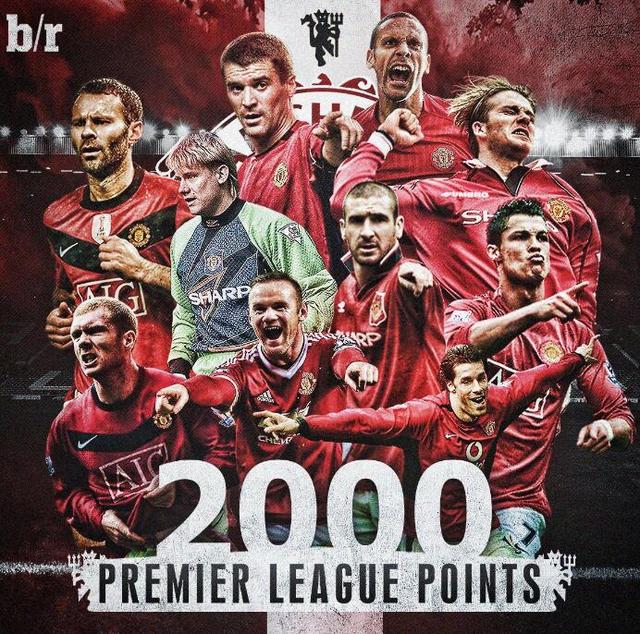
Historically, the CSL had rules regarding foreign players which shifted over the years. Previously, it was 4+1 (AFC) before 2017, then it changed to 3+1 on-field, but I need to be cautious about specifics here. As of 2023, the regulations allowed for 5 foreign players on the match roster, with a maximum of 4 on-field at once.

I think it would be better to present these changes as general options rather than listing specific numbers. I could also suggest a "club consultation whitepaper" method with structured surveys and phased rollouts.Creating a structured response
I want to summarize the core message as follows: "The main point is to balance the adjustment of foreign player quotas with league quality, youth training incentives, and financial health, ensuring clubs have a role in the discussion."
I need to consider factors like competitive level, youth training incentives, financial sustainability, and fairness.
I can suggest a policy toolbox including registration limits, salary caps, and financial fair play while proposing consultation methods like tiered discussions and anonymous surveys. I’ll also present two options for approaches without specifics. Finally, I should ask the user which type of output they prefer.
这是个好议题。就“外援名额调整”本身,关键不只是配几个名额,而是怎么把联赛质量、青训激励和财政健康三件事同时兼顾,并把俱乐部真正请到桌边共创规则。

可重点权衡
政策工具箱(可组合使用)
建议的沟通与决策流程
两套可选路径(方向性示例)
风险与缓释

需要我进一步做哪个方向?